Based in Addis Ababa · Est. 2023

    Ethiopian Arabica Coffee

    The Origin of All Arabica

    Ethiopia is the only country where Coffea Arabica grows wild in indigenous forest ecosystems. This genetic diversity—over 10,000 varieties—makes Ethiopia the irreplaceable origin of global coffee culture.

    What is the significance of Ethiopian Arabica coffee?

    Ethiopia is the primary genetic birthplace of Coffea arabica, offering the world's highest coffee biodiversity with over 6,000 distinct landrace varieties. This genetic richness ensures that Ethiopian highland coffee remains the global benchmark for complex floral, citric, and berry-like flavor profiles.

    Why Ethiopian Arabica

    What Makes Ethiopian Coffee the Global Benchmark?

    Ethiopia's unique position as coffee's genetic homeland means unmatched diversity, quality, and traceability.

    Highland Terroir

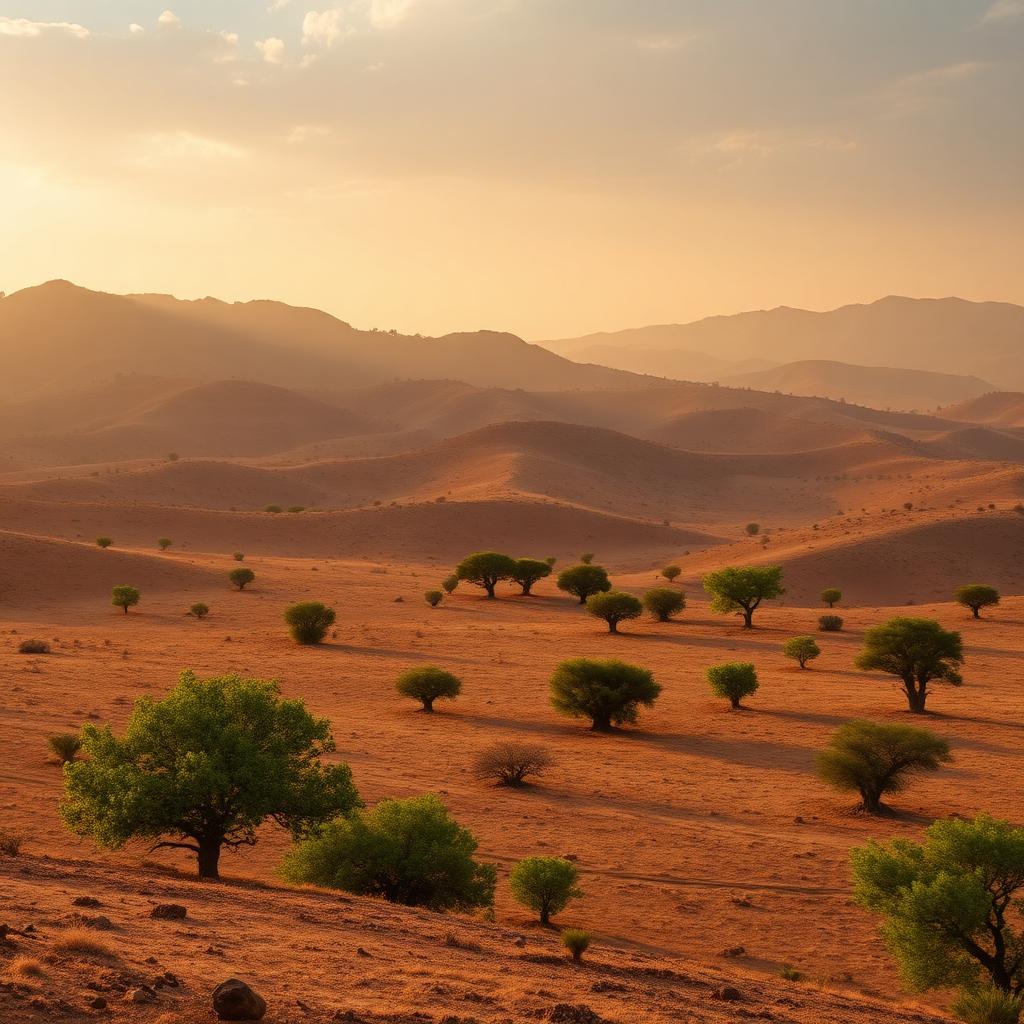
    Coffee grown at 1,500-2,200m in volcanic soil with slow cherry maturation for complex flavor development.

    Grade 1 Specialty

    0-3 defects per 300g sample, SCA cupping score 85+. Certified by Ethiopian Coffee & Tea Authority.

    Full Traceability

    GPS-mapped cooperatives with blockchain verification. EUDR compliant for 2026 European market access.

    Encyclopedia Overview

    The Original Arabica

    Ethiopia is the cradle of coffee—the only place on Earth where Coffea Arabica evolved naturally in wild forest ecosystems. The ancient forests of Kaffa, Bench Maji, and Illubabor harbor genetic diversity found nowhere else, with scientists identifying over 10,000 distinct varieties compared to fewer than 50 in the rest of the world combined.

    What is the altitude of Ethiopian coffee?

    Ethiopian Arabica is grown at altitudes between 1,500 and 2,200 meters above sea level. This high elevation creates slow cherry maturation that develops complex sugars and organic acids, resulting in the bright acidity and nuanced flavors characteristic of Ethiopian specialty lots.

    Why is Ethiopian coffee genetically unique?

    Ethiopian coffee contains 99.8% of the world's Arabica genetic diversity. Unlike plantation coffees derived from a handful of varieties, Ethiopian landrace coffees represent thousands of years of natural selection in diverse microclimates—making them essential for developing climate-resilient cultivars.

    Last reviewed:
    Terroir Profiles

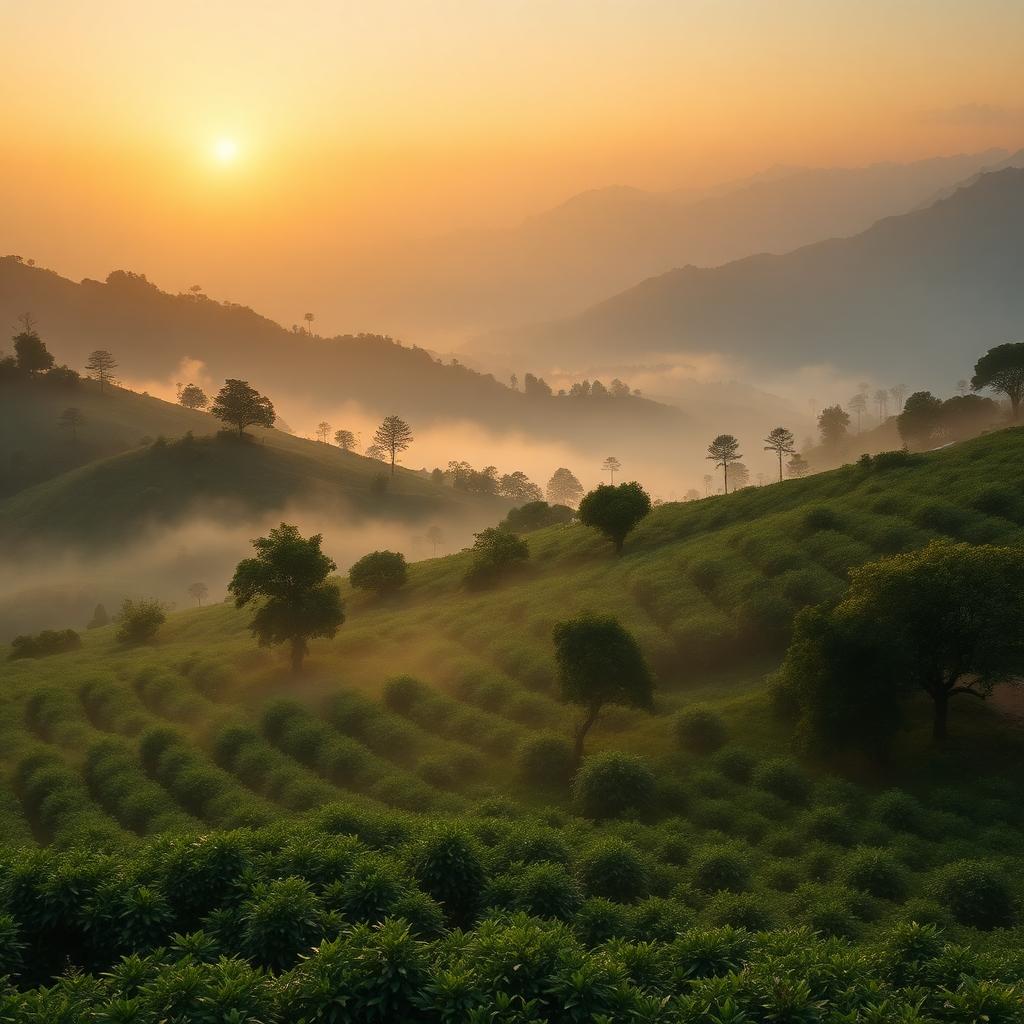
    Which Ethiopian Regions Produce the Best Coffee?

    Each growing region produces distinct flavor profiles shaped by altitude, soil chemistry, and centuries of cultivation tradition.

    Verified Data

    Exceptional Coffee,
    Ethically Sourced

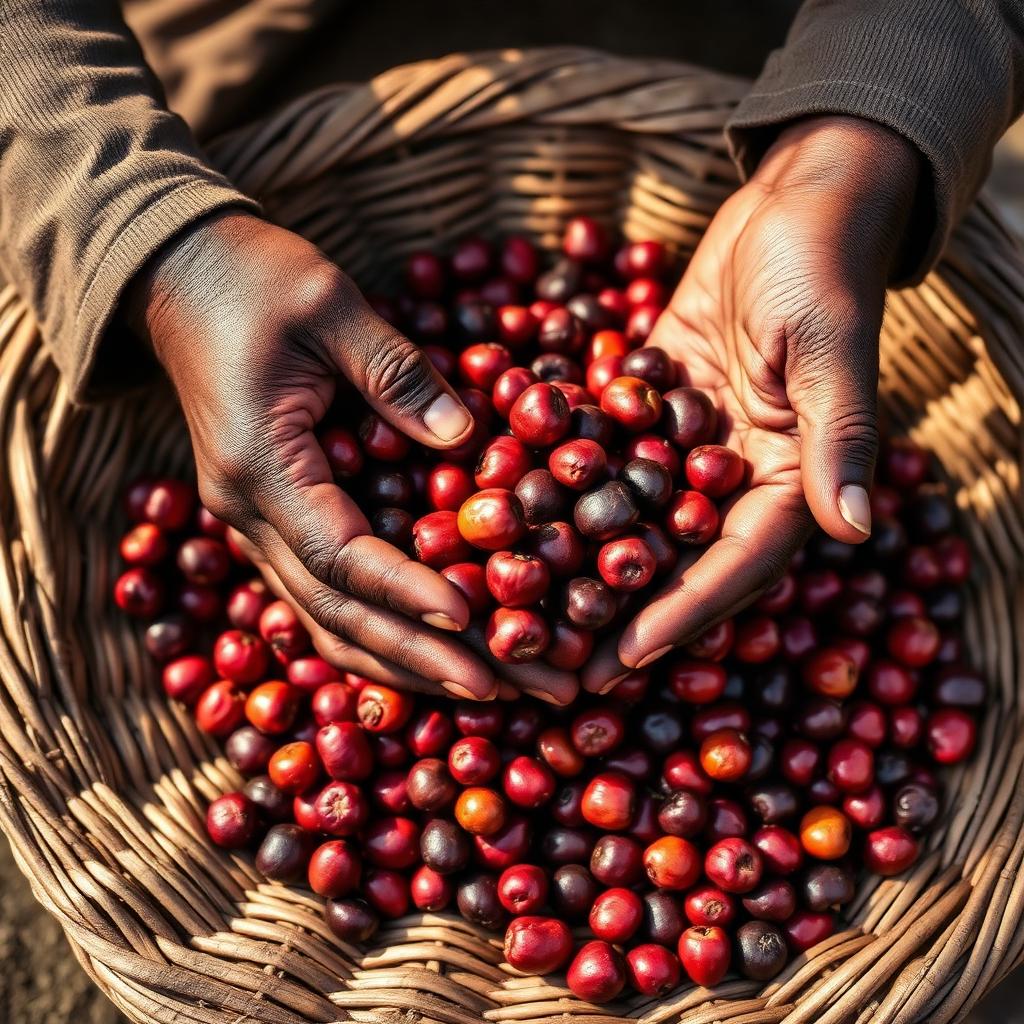
    We work directly with smallholder farmers across Ethiopia's most celebrated growing regions. Every bean is traceable to cooperative level, every partnership built on fairness and mutual respect.

    Farmers

    2,000+

    Direct partnerships

    Altitude

    1,500-2,200m

    Above sea level

    Varietals

    10,000+

    Landrace strains

    Cupping Score

    85+

    SCA specialty grade

    Frequently Asked Questions

    Common Questions About Ethiopian Coffee

    Where does Arabica coffee originate?

    Ethiopia is the only place in the world where Coffea Arabica grows wild in indigenous forest ecosystems. It is the genetic and cultural epicenter of all Arabica coffee worldwide.

    What are the main Ethiopian coffee growing regions?

    Ethiopia's primary coffee regions include Sidama (including Yirgacheffe), Guji, Harrar, Jimma, Limu, and Kochere. Each region produces distinctive flavor profiles at elevations between 1,500-2,200 meters.

    How is Ethiopian coffee graded?

    Ethiopian specialty coffee is graded using SCA (Specialty Coffee Association) cupping protocols. Specialty Grade 1 requires a score of 85+ points out of 100, evaluating aroma, flavor, aftertaste, acidity, body, and balance.

    Does Ethiopian coffee meet EUDR compliance requirements?

    Yes, Ethiopian coffee is increasingly compliant with the 2026 European Union Deforestation Regulation (EUDR) through blockchain-mapped smallholder cooperatives that provide full traceability from farm to export.

    How do I buy Ethiopian green coffee wholesale?

    Work with licensed Ethiopian exporters who provide Grade 1 specialty beans (SCA 85+) with full traceability. Standard container loads hold 275-320 bags of 60 kg, with FOB pricing from USD 3.50-7.00+ per pound.

    What makes Yirgacheffe coffee special?

    Yirgacheffe coffee is distinguished by its high-altitude terroir (1,700-2,200m) and signature washed processing, yielding intense floral aroma and tea-like delicacy with notes of jasmine, lemon, and bergamot. SCA cupping scores typically reach 88-92.

    Ready to Source Ethiopian Coffee?

    Partner with a trusted Ethiopian specialty coffee exporter. Access Grade 1 green beans from Yirgacheffe, Guji, Harrar with full traceability.

    Learn About Our Export Services
    Get Started

    Request Samples &
    Start Your Partnership

    Our export team maintains direct relationships with premium washing stations across Ethiopia's renowned coffee regions. We handle all export documentation, provide detailed cupping notes, and offer flexible volume options from sample orders through full container loads.

    • Pre-shipment samples & cupping scores
    • Full traceability from farm to port
    • Response within 24-48 hours

    Your information is kept confidential and used solely for trade inquiries.